

Signs Your Pet Needs Immediate Veterinary Services in Layton, UT
Have you ever wondered how to tell if your pet needs immediate veterinary care or if a routine visit is enough? Knowing when to act quickly can be critical in protecting your pet’s health and well-being. At Kaysville Veterinary Hospital, we help pet owners in Layton, UT recognize the important signs that mean urgent veterinary services are necessary. From vomiting and lethargy to breathing difficulties and injuries, understanding these warning signals can save your pet’s life.
In this article, we will explore the vital symptoms that require fast action, explain when to seek emergency care versus regular appointments, and share how a local veterinary clinic in Layton, UT can diagnose and treat your pet efficiently. Additionally, we provide preventive tips to avoid emergencies and highlight the importance of trust, fast response, and compassionate care.
Common Warning Signs That Your Pet Needs Immediate Veterinary Services
Pets often cannot tell us when they are feeling unwell, so it is up to pet owners to recognize symptoms that signal urgent medical attention. Some common warning signs can include:
- Vomiting: If your pet vomits once or twice but otherwise seems fine, it may not be an emergency. However, persistent vomiting, especially when mixed with blood or accompanied by diarrhea, weakness, or inability to keep fluids down, requires immediate veterinary evaluation.
- Lethargy: A sudden change in energy levels where your pet is extremely tired, unresponsive, or unwilling to stand or walk is cause for concern. Lethargy can be a sign of serious infection, pain, or organ dysfunction.
- Breathing Issues: Rapid, shallow, or labored breathing, coughing, or wheezing are signs that your pet may be struggling to get enough oxygen, which can be life-threatening if left untreated.
- Injuries: Visible wounds, swelling, bleeding, limping, or signs of trauma from accidents or fights demand quick medical attention to prevent complications such as infection or internal damage.
- Appetite Loss: While pets might skip a meal occasionally, a sudden refusal to eat or drink for more than 24 hours, especially combined with other symptoms like vomiting or lethargy, can indicate serious problems like gastrointestinal blockages or systemic illness.
Recognizing these signs promptly and seeking veterinary services can help prevent conditions from worsening. Timely intervention is key for many emergencies and may sometimes make the difference between life and death.
How to Decide Between Urgent Care and Routine Veterinary Services
Deciding whether your pet requires urgent veterinary services or if the issue can wait for a routine appointment can be difficult, especially in stressful situations. Consider the following guidance:
- Urgent care is necessary if your pet exhibits signs of distress such as difficulty breathing, continuous vomiting or diarrhea for more than 24 hours, severe pain, bleeding that will not stop, loss of consciousness, or sudden paralysis.
- Routine veterinary services are suitable for non-emergent concerns such as mild coughing, minor behavioral or dietary changes, preventive care like vaccines and wellness exams, and chronic conditions that are stable.
Erring on the side of caution and contacting your veterinary clinic is always a good idea if you are unsure. Many clinics, including Kaysville Veterinary Hospital in Layton, UT, offer advice over the phone to help you determine the best course of action.
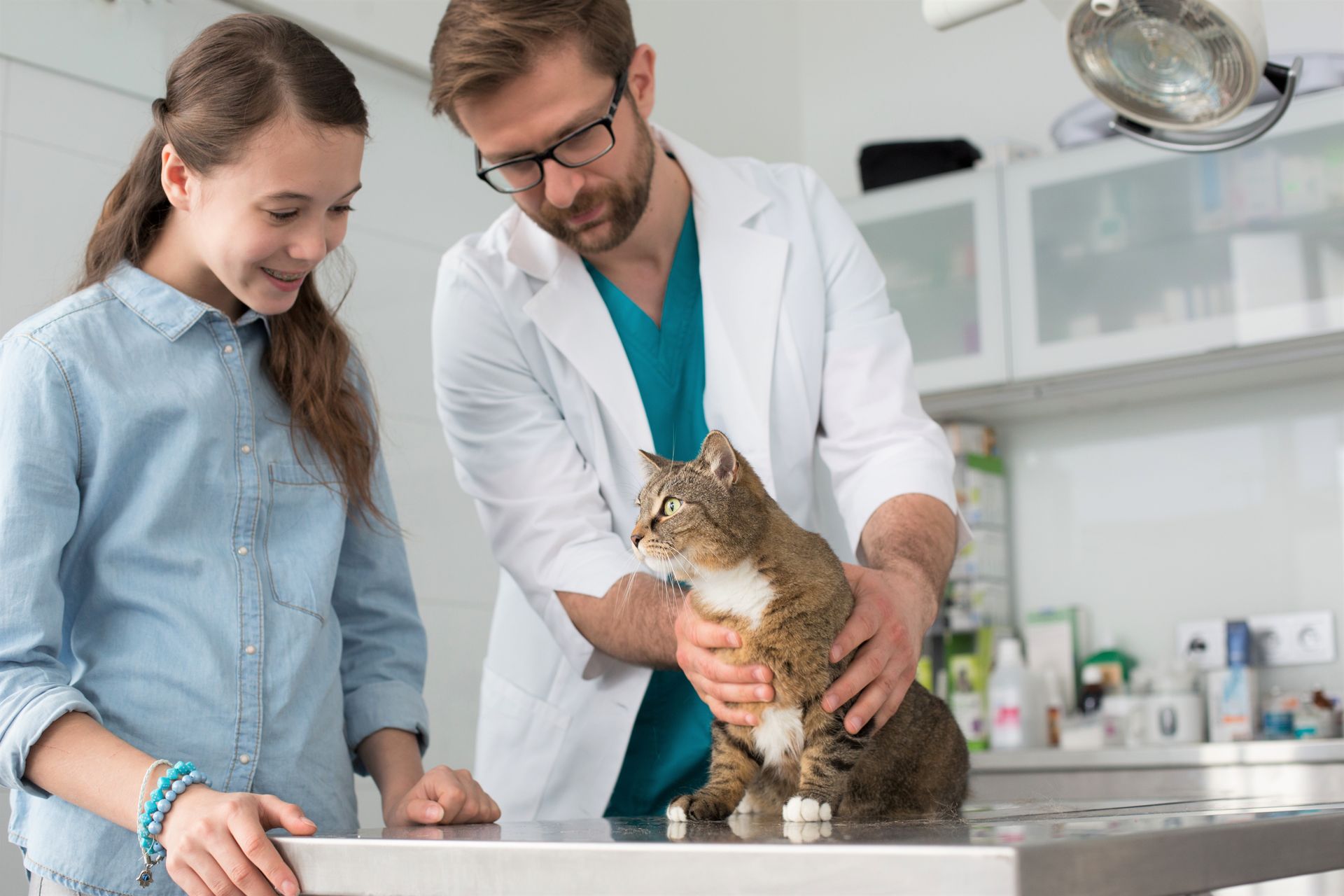
What to Expect When Visiting a Veterinary Clinic in Layton, UT for Emergency Services
When you bring your pet to Kaysville Veterinary Hospital for immediate veterinary services, our team acts swiftly to provide comprehensive care. Here is what to expect:
- Triage and Initial Assessment: Our skilled staff assesses your pet’s vital signs, looks for life-threatening symptoms, and gathers detailed history from you to understand the issue.
- Diagnostic Testing: We use advanced diagnostic tools such as blood tests, X-rays, ultrasound, and catheterization to quickly identify the root cause of the problem.
- Treatment Plan: Based on the diagnosis, we develop a targeted treatment plan. This may include fluid therapy to combat dehydration, wound cleaning and suturing, oxygen therapy for breathing issues, or pain management.
- Clear Communication: We keep pet owners informed throughout the process, explaining test results, treatment options, and expected outcomes to help you make confident decisions.
- Safety and Quality Control: Our veterinary clinic ensures all procedures adhere to the highest standards of hygiene and safety to protect your pet’s health.
- Follow-Up Care: After the emergency is stabilized, we provide detailed instructions for home care and schedule follow-up visits to monitor recovery and prevent recurrence.
Our fast and compassionate approach ensures your pet receives the best possible care during an emergency.
The Risks and Consequences of Delaying Veterinary Treatment
Delaying veterinary care when your pet is showing signs of illness or injury can have serious consequences. Many conditions that appear minor at first can quickly become critical without prompt intervention:
- Respiratory difficulties can escalate to respiratory failure.
- Persistent vomiting and diarrhea can lead to severe dehydration and electrolyte imbalances, which are dangerous especially in young or senior pets.
- Infections from untreated wounds might spread and cause systemic illness.
- Untreated pain causes stress and impacts your pet’s immune system.
- Internal injuries or toxic ingestions that are ignored can be fatal.
Seeking veterinary services early helps reduce the risk of complications, shortens recovery time, and can minimize treatment expenses by preventing advanced procedures.
Preventive Measures to Minimize Emergency Visits
While emergencies can never be fully prevented, practicing good preventive care greatly reduces the risk. Some helpful tips include:
- Ensure regular veterinary checkups to catch health issues early.
- Follow vaccination and parasite control schedules customized for your pet.
- Monitor behavior and appetite daily and report changes promptly.
- Keep your home and yard safe by removing choking hazards, poisonous plants, and toxic substances.
- Provide a balanced diet and maintain regular exercise to boost overall health.
- Use identification tags and microchipping to avoid lost pet emergencies.
Working with a trusted veterinary clinic in Layton, UT, means you have access to professional guidance that helps protect your pet’s lifelong well-being.
Ready to Protect Your Pet’s Health? Contact Us Today
If you notice any signs that your pet may need immediate veterinary services, do not hesitate to contact Kaysville Veterinary Hospital. Our experienced team is dedicated to providing fast response times, thorough diagnostics, and compassionate care tailored to your pet’s needs. We understand how stressful emergencies can be and strive to support both you and your pet through every step of treatment and recovery.
For expert veterinary services in Layton, UT, call us today at
801-444-3770 or
visit our contact page to schedule an appointment or learn more. Your pet’s health is our top priority, and we are here whenever you need us.